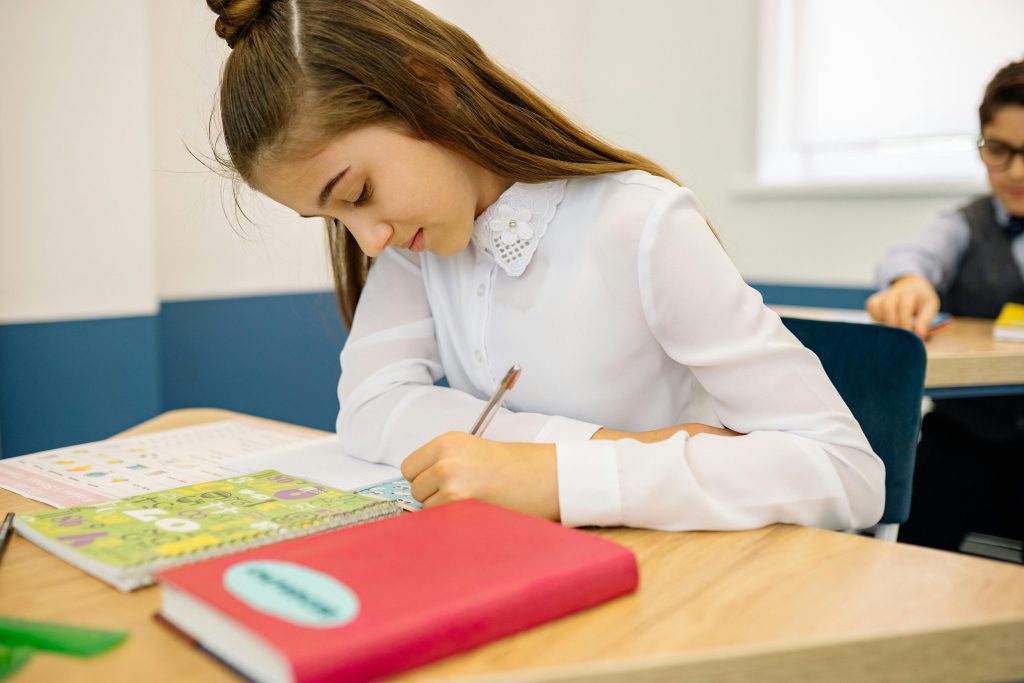
Smarter Together: How Group Study Prepares Teens for Real-World Success

Smarter Together: How Group Study Prepares Teens for Real-World Success

Parents Success Habits Poster What's new?

Think about how the world has been going lately. Think about the pace at which things are changing in every sector. For your teen to achieve real-world success, they need to learn skills that will benefit them beyond just school. The training to face the world beyond the four walls of school has to start now! There are important life skills and abilities that will not be taught at school. These can be learnt through various other avenues and activities. That’s why it is important to let your child explore other constructive activities besides school, so that they can learn valuable skills that school lessons don’t cover.

Some of these skills are: social skills, problem-solving, time management, growth mindset, self-management, leadership, teamwork, accountability, resilience, decision-making, communication, and so on. It is very possible for a student to finish school without learning these crucial skills that sponsor real-world success. A study conducted for 32 years found that developing social connectedness as a teen later translates into happiness and well-being in adulthood. This, among many studies and research, confirms that developing these social skills will play a very important role in your teen’s life and future.

Far from just a social gathering, structured co-study provides young people with important life skills. And it’s one of the smartest ways to help them thrive both in school and in their future careers. Collaborative study isn’t just about sharing answers or finishing assignments faster; it’s about learning how to work with others, solve problems together, communicate clearly, and stay motivated.

In this article, we will explore together how the Co-Study Club, the GT Scholars Programme and other research-based strategies can help your child develop these life skills.

1. Time Management and Self-Discipline

In a co-study session, teens are guided to set goals, track their tasks, and stick to a focused time block. These sessions create a routine, which helps them learn how to plan and manage their time effectively.

Research from the Education Endowment Foundation (EEF) shows that students who are taught how to manage their own learning and behaviour are more likely to achieve higher academic results.

2. Accountability and Independence

The truth is, teens don’t always feel like doing homework. But when they know they’ll be joining a study group or working alongside peers, they’re more likely to stay on task. Co-study brings a sense of structure and accountability that keeps teens motivated, especially during exam season or after long school days.

When your teen knows someone is checking in—not to lecture, but to support – they are more likely to complete tasks and take ownership of their learning. Co-study encourages independence, while also offering a safety net of guidance and encouragement.

3. Focus and Reduced Procrastination

Let’s be honest! Teens often struggle with distractions. Whether it’s phones, TV, video games or just the lack of structure, procrastination can quickly derail study time. Co-study creates a focused environment. And because other teens are working alongside them, there’s a sense of shared commitment that minimises distractions and boosts productivity.

It also provides opportunities to enhance students’ understanding through peer teaching. One of the best ways to understand a topic is to explain it to someone else. In group study, teens often help each other revise tricky subjects — and this peer-to-peer teaching boosts comprehension and memory retention. In this article, we have shared creative study hacks to boost your teen’s learning.

4. Confidence and Motivation

Many teens struggle in silence, afraid to speak up in class or ask for help. In a smaller, supportive group setting, they’re more likely to share ideas and ask questions. This builds confidence. It also helps reduce the loneliness that some young people feel when they’re overwhelmed by schoolwork.

In the GT Scholars Co-Study Club, students earn rewards and recognition for consistency, focus, and progress. These small but meaningful incentives help build motivation and create a sense of achievement.

As your teen meets their goals week after week, they begin to realise they can manage their own success and become more confident. That’s how they will become more motivated and resilient to tackle obstacles. If you’d like to learn more about the GT Scholars Homework & Co-Study Club, you can register your interest here.

5. Communication and Collaboration

In most careers, professionals don’t work in isolation. Team projects, brainstorming sessions, and cross-functional collaboration are part of daily life. When teens participate in co-study clubs, they naturally begin to practice these same dynamics — learning how to listen, lead, compromise, and contribute. This mirrors the real-world work environment and helps them to learn these life skills that will make it easy for them to adapt as they embrace the professional world.

Even though co-study isn’t about working on group projects, teens still get to engage with peers in healthy ways. They learn to ask for help, share study tips, and support each other. These micro-interactions help develop social skills that are vital in university, the workplace, and beyond.

6. Mental Health and Emotional Resilience

As per research, studying together with like-minded peers can reduce anxiety, stress exams and improve mental wellbeing in teens.

In co-study clubs like GT Scholars, students feel less isolated and more empowered. They’re part of a community, learning that they don’t have to struggle alone, and that asking for support is a strength, not a weakness.

Why Is the GT Scholars Homework & Co-Study Club Outstanding?

The GT Scholars Homework & Co-Study Club comes with a unique gamified approach that will effortlessly boost your teen’s motivation to study. It is structured in a way that your teen will be rewarded for their consistent attendance and achievements.

Studies prove that rewards can encourage teens to change their behaviour. When a compelling reward is set to encourage a young person to study, for example, even if in the beginning, they will be studying just for the sake of the reward, but the more they do, habits are formed, and passion can catch them in the process, causing those habits to stick with them even beyond school.

With the GT Scholars Homework & Co-Study Club, beyond the fact that your teen will learn life skills that will help them even after their academic journey, they will also get other benefits, such as:

  • Weekly online Co-Study Sessions where teens work alongside peers in a focused, supportive environment
  • Homework Help from academic coaches who offer guidance and encouragement
  • Goal-setting and accountability check-ins to help teens stay on track with their studies
  • A safe and friendly online space where students feel inspired, not pressured, and interact with real humans – not AI or bots.
  • Earn XP as rewards for their consistency and achievements. They can redeem those XP for vouchers, raffles, competitions and other exciting prizes.
  • Discounted offer for early sign-ups and free annual access to other valuable GT Scholars resources for parents & teens.

Parents love the balance of structure and flexibility. Young people love having a place where they can get things done, ask for help, and stay motivated — all while building academic and life skills.

Help Your Teen Succeed Now and in the Future

Group study isn’t just a short-term academic boost — it’s a long-term investment in your child’s future. It nurtures essential skills like teamwork, resilience, time management, and independent thinking — qualities that universities and employers highly value.

At GT Scholars, we believe every young person deserves the chance to thrive, and the Homework & Co-Study Club is one of the many ways we’re helping teens unlock their full potential.

So, are you ready to help your teen succeed with less stress and more confidence? Enrol them in the GT Scholars Homework & Co-Study Club today! And give your teen the gift of structure, support, and success.

5 Futuristic Skills That Every Teen Should Not Ignore

5 Futuristic Skills That Every Teen Should Not Ignore

20 Free Coding Resources Parents What's new? Young people

The world is changing faster than ever before, and it’s important for teens to be ready by learning key futuristic skills. Technology, new ideas and global challenges are currently shaping the future. Developing skills that are real-life abilities will help your teen. Teens who develop these skills will be more confident and better prepared for the jobs of the future. They will also learn how to work with others, lead and keep learning as things change.

In this blog, we will go through five important futuristic skills that every teen should know. Each one will help teens grow and succeed in this digitally inclined world. Let’s take a closer look at what these skills are and how to build them.

1. Digital Design and Creativity

Digital design and creativity are essential skills for teens to develop in a world increasingly shaped by visual communication and innovation. From social media graphics to app interfaces, strong design skills can help teens express ideas clearly and impactfully. Learning how to use design tools allows them to create anything from logos and posters to prototypes and digital art. These platforms are not only intuitive but also widely used in industries like tech, gaming, marketing and entertainment. 

Digital design encourages creative problem-solving and critical thinking, helping teens not only be consumers but creators. According to a report, complex problem-solving is the most sought-after skill for 2025, with critical thinking being a close second. Digital design can help your teen develop this useful skill. Whether they’re interested in branding, user experience, or animation, these futuristic skills can open doors to many future careers. Even if they don’t pursue design professionally, knowing how to present ideas visually is a great advantage in school and the workplace. Teens also gain confidence as they see their hard work come to life and share it with others. Design helps them stand out in a crowded digital environment, build portfolios and communicate stories in unique ways. Embracing digital creativity now sets the foundation for a more innovative and expressive future filled with opportunity.

2. Coding and Programming

As technology continues to reshape industries, the ability to think critically and solve complex problems remains irreplaceable. Our blog mentions that critical thinking is not only highly desired in the modern workplace, but that this curiosity unlocks innovation and creativity. Critical thinking also brings an understanding of complex topics and nurtures problem-solving skills. Coding gives scholars a chance to grow in critical thinking and problem-solving. It gives them room to make errors and find ways to fix them. 

Coding and programming are among the most valuable futuristic skills a teen can learn. Understanding and learning how technology works empowers teens to move from passive users to active creators. Whether they’re building websites, developing apps or designing games, programming teaches logical thinking and problem-solving. It also builds resilience, as coding often involves testing, debugging and improving the code and personal skills over time. 

To get your teen started, they can try beginner-friendly languages like Python and then progress to more advanced options like JavaScript or HTML/CSS. These skills are not limited to tech careers—coding supports innovation in medicine, business, art, and more. By learning to code, teens open doors to future-ready careers and gain confidence in shaping the digital world around them.

If you’ve been thinking of introducing your child to learning how to code in a fun way, look no further. The Code Creators Club brings teens with beginner and intermediate programming knowledge together to develop coding skills. If you’d like your teen to learn different programming languages while building a monthly project like a webpage, quiz or game, get in touch with us here.

3. Cybersecurity and Digital Ethics

Cybersecurity and digital ethics are important futuristic skills that your teen should prioritise learning. Every teen should understand how to protect their personal information, browse the web carefully and identify suspicious activity. Learning the basics of cybersecurity can help teens avoid hacking, data breaches and identity theft. Teens would need to learn how to create strong passwords, recognise phishing attempts, and enable two-factor authentication for safety. However, staying safe online isn’t just about technical skills. It also includes knowing how to behave ethically and responsibly. Digital ethics teaches teens how to think critically about the content they share, the way they communicate and the impact of their online actions. 

Understanding consent when posting photos or respecting others’ privacy is an important part of being a good digital citizen. A careless comment, an inappropriate post, or even a controversial like can follow them into college admissions, internships and job interviews. In our blog, we mention that when a teen is aware that their digital footprint from online activity can be traced, this will help them practise healthy and safe tech use. By understanding the consequences of their online behaviour, they’re more likely to practice healthy and safe tech use. Being digitally literate also enables teens to spot misinformation and avoid online manipulation. They’re able to protect themselves from harmful or exploitative content. 

Cybersecurity knowledge gives your teen the tools to take control of their online presence instead of being passive users. Above all, these futuristic skills aren’t just for personal use, but they’re also professional. As cyber threats continue to rise, organisations are prioritising cybersecurity more than ever. This opens up future career paths for those who understand it. Teens with a strong foundation in ethics and cybersecurity can position themselves as thoughtful leaders in the digital space.

4. Video Production and Editing

Video production and editing are powerful, futuristic skills that your teen can also consider learning. As video continues to dominate social media, marketing, education and entertainment, knowing how to create and edit visual content is a huge plus. Teens who develop these skills can use them for school projects, online portfolios and even freelance opportunities. Your teen could be editing a short video for a school project, producing a highlight reel for college applications or creating a tutorial. This video content can allow your teen to express themselves creatively and professionally. In this blog, we state that tech skills can help a teen in their creative expression, which will grow them as creators and problem-solvers. This will help them make a valuable contribution through their skills.

The process of planning, shooting and editing videos teaches valuable soft skills too, like storytelling, time management and attention to detail. With the availability of user-friendly tools, getting started has become easier, even with a smartphone. Teens can share their work on platforms like YouTube or TikTok to build confidence and reach a wider audience. These experiences help teens develop a digital presence while learning how to communicate effectively through multimedia. Creating a video for a school presentation would still need verbal explanation from your teen. This gives them the space to also grow in their verbal presentation skills. As video continues to shape how we learn and connect, mastering this skill gives teens a competitive edge for the future. More than just a hobby, video production and editing are gateways to future-ready careers in media, tech, marketing and beyond.

5. AI and Machine Learning Basics

From school to social media, digital technology is everywhere. We use digital tools every day, and that’s why digital literacy is no longer a choice, but rather a must. A study found that 77% of the 9.4 million UK job advertisements required at least basic digital skills. This means teens need to know how to use computers, apps, and online platforms well. Developing one of the key futuristic skills, like understanding artificial intelligence (AI), is becoming more important every year. 

Artificial Intelligence (AI) and Machine Learning (ML) are transforming our world, and these skills are only going to grow in importance. For teens, learning the basics of AI isn’t just about programming robots. It involves understanding the systems that power everything from recommendations they get on TikTok to smart assistants. By understanding how algorithms learn and make decisions, teens build problem-solving and critical thinking skills. They also become more informed digital citizens, better equipped to question bias and fairness in automated systems. 

Teens can start exploring AI through beginner-friendly platforms that introduce concepts in a fun and visual way. As they advance, they can experiment with other tools that help them build their unique models. A basic understanding of AI, like creating a smart game or designing a chatbot, can open doors to innovation. Most importantly, learning AI teaches teens to be thoughtful creators and decision-makers in a tech-driven world.

This experience lets them expand their knowledge and increase their curiosity so they can learn. To get your child started on their digital learning journey, consider the GT Scholars Code Creators Club. If you’d like your child to acquire coding skills and a learning habit, find out more about the Code Creators Club here.

Prepare Your Teen for the Future With Code Creators Club

Nowadays, teens cannot afford to ignore the development of futuristic skills. From mastering critical thinking to embracing digital literacy, these skills are necessary for navigating a complex and uncertain future. These abilities form a toolkit that empowers teens to thrive in both personal and professional realms. Developing these skills early gives them a competitive edge in the workforce and the confidence to tackle global challenges. Students may pursue various careers, but coding will nurture a confident, innovative and adaptive person who can easily navigate complex digital spaces.

Through these necessary skills, teens are equipped to build strong relationships and lead with empathy in diverse environments. They also ensure that learners remain resilient and open to growth during fast-paced change. Your teen can learn and grow in these skills in our coding programme. The Code Creators Club inspires young people to grow in their critical thinking as they learn to problem-solve and also create code for their projects. Teens get to understand the changing digital world when they gain coding skills in every session. They get to brainstorm solutions with other scholars and get to create unique projects with the guidance of a coding facilitator. The live workshops and the homework learners receive help them build their independent learning skills, which will be needed later. To discover how your child can start the coding journey and develop these futuristic skills, contact us here.

Is Your Teen Studying Alone? Why Co-Study Sessions Could Be the Game-Changer

Is Your Teen Studying Alone? Why Co-Study Sessions Could Be the Game-Changer

Parents What's new?

Is your teen often studying alone at home instead of joining co-study sessions? While some students may enjoy the quiet, studying alone can sometimes lead to boredom, stress, or a lack of motivation. Without someone to talk to or ask for help, it’s easy for teens to feel stuck or frustrated. They might struggle to stay focused or keep up with their schoolwork. Many parents don’t realise that learning with others can make a big difference.

That’s where group study sessions come in. These are group study times where teens can learn alongside others and get support from mentors. Group study sessions can help teens feel more motivated, focused, and confident. They also make studying more enjoyable and less stressful. In this blog, we’ll explore why co-study sessions could be the game-changer your teen needs.

The Challenge With Studying Alone

Although solo studying allows for flexibility and control, it often lacks structure, accountability and engagement. Teens who study alone are likely to procrastinate, become distracted or even feel unmotivated. Without interaction, feedback or support, it’s easy to feel stuck on challenging topics. Lacking social interaction can also lead to boredom or anxiety. This can make study time feel like a burden rather than a great opportunity for growth. This is why it’s important to know the impact that collaborative learning can have on a student’s academic journey. Here’s where co-study sessions come in.

Co-Study Boosts Motivation Through Peer Presence

Teens are naturally social in their unique way, and they usually excel in environments where they feel connected. Co-study sessions tap into this by putting them in a setting with others who are also working hard on their study goals. The shared atmosphere builds a sense of community and purpose. Watching peers stay focused can encourage your teen to stay on task, too. It’s easier to start studying when others are doing the same. This reduces the urge to procrastinate or give up.

Studying in a group also makes learning feel less isolating. There’s comfort in knowing they’re not alone in their challenges. It creates positive peer pressure that encourages consistent effort when they see other scholars pushing through. As one study noted, students reported feeling more confident during the learning process. This boost in confidence received from collaborative studying often leads to greater motivation. Ultimately, collaborative study sessions can help turn motivation into lasting habits.

Increased Accountability

When teens study by themselves, it’s easy for them to avoid difficult work. As no one is there to check if they’re staying focused, scholars can get distracted. Co-study sessions help with this by adding a level of accountability. At the start of each session, teens set goals for what they want to get done. They share these goals with the group or their academic coach. Knowing they’ll talk about their progress later helps them stay on task.

As mentioned in our blog, this regular check-in with the coach and other scholars motivates them to keep going. It also helps them see how much they’ve done. With time, this builds good habits and responsibility. The group environment helps your teen stay focused and disciplined. Every scholar works at the set time of the study session, so it’s easier to concentrate. This kind of structure helps teens take their study time more seriously.

Better Time Management and Structure

Co-study sessions provide a set routine that helps teens manage their time better. With a clear start and end time, it’s easier to stay focused. The structured format prevents distractions and encourages consistent effort. Teens are less likely to procrastinate when they’re in an environment with a plan in place. Having scheduled sessions also creates a healthy study rhythm and breaks tasks into manageable chunks. This structure reduces stress and keeps things organised, which is helpful for teens who need structure in their lives.

Teens learn to prioritise and make better use of their time. It teaches valuable planning skills they can use in other areas of their lives. Overall, group study can turn a teen’s scattered study time into productive learning. The Homework & Co-Study Club not only helps scholars stay motivated in their studying and revision, but it also develops necessary skills, like time management. If you’d like to discover more about the benefits of this programme in your child’s academic path, learn more here.

Access to Support and Feedback

During group study sessions, teens can get help right when they need it. An academic coach supervising the study session is available to answer questions. This support stops small problems from becoming big obstacles. It also saves time by quickly clearing up confusion during studying and revision. Teens feel more confident when they know help is nearby. They don’t have to struggle in silence without getting assistance with their studying.

This blog mentions that co-study sessions enlarge the pool of support that scholars have, and this increases positive mental health and helps teens learn how to handle stress. Getting feedback on how to set realistic goals and note which topics to work on later keeps learning on track. Scholars also receive study tips from academic coaches during sessions. This encourages scholars to stay engaged and ask questions. Support from a coach makes studying less stressful and more effective. With the right guidance, teens make steady academic progress.

Reduced Anxiety and Stress

Studying alone can make school feel overwhelming and ultimately isolating for teens. According to a recent study, 3 in 10 teens report that anxiety and depression are common at school. Another report shows that 68% feel intense pressure to get good grades. Co-study sessions help ease this pressure through support and encouragement. These sessions offer relief by creating a shared space where struggles are tackled easily.

When your teen sees others facing similar challenges, it reduces pressure and boosts emotional well-being. A sense of belonging can help reduce anxiety and promote healthier study habits. Teens don’t feel like they have to succeed alone because they gain confidence from the group environment. This emotional lift can make a big difference in how learners approach their schoolwork.

Building Life Skills

Collaborative study sessions help teens build important life skills. Working with others teaches them how to be part of a team. They learn to listen as others share their goals, offer support and give helpful feedback. Learning to communicate their study goals more clearly becomes easier with practice. Teens also improve their problem-solving skills when dealing with tricky topics while studying.

In our blog, we mentioned that co-study sessions help scholars take ownership of their studying and build responsibility as they study independently in the presence of other scholars. When they display leadership qualities, like helping other scholars, it builds confidence and leadership. These skills are useful in school and future jobs because being able to work well with others is important in any career. Group study sessions offer a safe space to grow these abilities. As time passes, teens become more confident, capable and prepared for the real world.

Human Interaction Still Matters

Although the world is increasingly dominated by screens, the value of human interaction cannot be ignored. Teens are at a stage where they’re developing their values, identity and social skills. Because of this, having regular interaction with mentors and other scholars can support emotional growth and build a teen’s confidence. Co-study sessions give more than just academic support. They create meaningful human interaction that teens need to thrive academically, socially and mentally. This human element is often missing in solo study routines, but it’s needed for long-term success.

Co-study sessions provide:

Social Connection

Teens who study together experience a sense of social connection that is hard to get through solo. They feel seen, heard and understood by their peers and academic coach. This recognition helps validate their struggles and achievements. This, in turn, reduces feelings of isolation and loneliness. The shared environment also encourages accountability and motivation. Teens can exchange study tips, offer encouragement to struggling scholars and celebrate small wins together. The GT Scholars Homework & Co-Study Club offers XP (Experience Points) for every session your child attends. These points can be redeemed for vouchers, raffles and other prizes. If you’d like to learn more about the Homework & Co-Study Club, get in touch with us here.

Mentorship

Co-study sessions provide valuable mentorship that supports teen growth. Academic coaches serve as positive role models in these settings. They guide teens through academic and personal challenges with patience and insight. Their presence offers a sense of direction and stability in the study sessions. Teens feel more confident when they know someone believes in their potential. These coaches also instil important life skills like time management and perseverance. This will help teens build resilience as they focus on accomplishing their goals even when it feels challenging. The guidance from academic coaches serves as mentorship, which creates trust and encourages open communication. 

Encouragement

Co-study sessions provide powerful encouragement that can fuel student growth. In this environment, a learner’s effort is recognised and celebrated just as much as results. Scholars earn points for each session they attend and get badges for study streaks and reaching personal goals. This motivates teens when their hard work is noticed. It also boosts their confidence and keeps them engaged. This encouragement from the support environment helps reduce stress and anxiety around learning. Scholars, therefore, learn that progress matters, even if it seems slow. They start believing in their ability to improve. With human support, they will gain the courage to keep going. Ultimately, the human element remains an important part of learning and growing.

Studying doesn’t have to be a lonely, stressful experience. With the right environment, your teen can stay motivated, feel supported and grow both academically and emotionally. Group sessions offer the accountability, structure and encouragement that solo study often lacks. They help teens develop key life skills, build confidence and connect with others to enhance their study experience.

At GT Scholars, our Homework & Co-Study Club is designed to do exactly that. It supports teens through focused, small-group study sessions under the supervision of academic coaches. Whether your teen needs help staying on track or excels in a more social learning space, our club could be the game-changer you’ve been looking for. Join the GT Scholars Homework and Co-Study Club today and give your teen the boost they deserve. Human interaction still matters. Let’s make it part of your teen’s success story. Kickstart your child’s enhanced study journey and find out more here.

The Rise of Online Learning: Should Your Teen Be Doing More at Home?

The Rise of Online Learning: Should Your Teen Be Doing More at Home?

40 Free Learning Resources Parents What's new?

Online learning is becoming a major part of how teens study today, as it gives students more flexibility and responsibility. Without study routines or structure, staying organised can be tough. Teens may struggle to keep up with tasks and deadlines. That’s where the right tools and support can make a big difference. Online learning tools help teens take control of their workload while creating structure and motivation. With guided support, teens can build consistency and better study habits. This results in them learning to manage time and tasks on their own. In this blog, we will discuss how parents can support their teens’ learning through the use of online tools.

Task Management Tools for Studying

One of the biggest hurdles teens face with online learning is staying organised. Lacking the structure of a classroom in a home setting, students can easily fall behind. Task management tools help bridge this gap by providing a clear overview of what needs to be done and when. This article shows that 71% of teachers believe that educational apps are effective in helping students learn. These apps allow students to access educational content anytime and anywhere, making learning more convenient and accessible. They also allow scholars to break down assignments, set deadlines and track their progress.

These tools are quite helpful for managing homework and long-term projects. With deadline reminders and prioritisation features, teens can stay on top of their work and reduce last-minute stress. Encouraging your child to use these tools can grow self-management and accountability skills. It also teaches them to take charge of their academic responsibilities.

Set Clear Goals and Prioritise Tasks

Online learning for teens becomes efficient when they practise what is practical for them. To help your teen use task management tools effectively, help them set clear and achievable goals. Help them prioritise tasks by importance and deadline. They can use this simple but great technique of using labels or colours to organise tasks. According to this article, colour coding can act as a positive trigger to help a student remember information. This will increase the likelihood of your child not forgetting tasks. Your teen can also set reminders to stay on track and check off tasks as they complete them. They can wrap up their day by reviewing their list to adjust plans if needed.

Break Down Tasks Into Smaller Steps

Make sure your teen breaks large goals into smaller tasks. Breaking tasks into smaller steps makes big projects less overwhelming. They can start by identifying the main goal, then dividing it into manageable actions. Each small step should not be complicated, but should be clear and doable. Your child should use their task management tool to list each step and set deadlines for each part. This helps them stay focused and make steady progress.

Some students, however, might struggle with making their tasks less complicated. This is where the GT Scholars Homework & Co-Study Club comes in, supporting your child in goal-setting and helping them achieve practical goals. Find out how your child can receive additional support that enhances their studying by contacting us here.

Use Reminders and Notifications

Reminders and notifications help your teen stay on track with their tasks. You can encourage them to set alerts for important milestones and upcoming deadlines. Show them how to use their task management tool to schedule these reminders. They can find one app that works well for them. Ask them to choose times when they’re most likely to take action, and not ignore alerts. When they don’t feel motivated, get them to treat their task notifications like important appointment alerts. This will help reduce the chance of forgetting tasks. Regular reminders will keep them organised and focused.

Collaborate With Peers and Instructors

A very effective way of online learning that can make task management easier is to collaborate with other scholars. Encourage your child to use shared tools to track group projects or assignments. They can add comments or updates for everyone to see and also share deadlines so the whole team stays on track. These collaborative apps also allow teachers to provide feedback through these platforms. 

Some schools embrace this online tool, but your child can also use it with their study partners. Through this tool, communication becomes clearer, more efficient and it also promotes a fun community atmosphere in online learning. Working together keeps everyone accountable and on schedule.

Track Progress and Reflect On Performance

Teens can use task management tools to track their daily and weekly progress. Marking tasks as complete builds motivation and shows how much they’ve accomplished. Teens can also look back and see what took more time, and then plan better in the future. Reflecting on completed tasks builds self-awareness. It encourages smarter and more focused studying habits.

We mentioned in this blog that focusing on the challenges rather than studying decreases when a student is in a co-study environment because their progress is monitored. Students, part of a space where coaches monitor their progress, can ultimately build the skill of assessing their study goals.

Student Planners

Digital tools are powerful, and the revamping of physical tools into digital products enhances their effectiveness. The tried-and-true student planner in digital form provides a visual snapshot of upcoming responsibilities. It’s where students can note homework, class schedules, extracurricular activities and personal goals. Using a digital planner helps teens balance their workload and plan their week effectively.

By using their planner daily, they build a habit of prioritisation and thinking ahead. This form of online learning also helps reduce anxiety, as they know what to expect and can prepare in advance. Parents can play an active role by reviewing the planner with their teens weekly. This simple activity can spark discussions about workload, study habits and stress levels. It also reinforces the importance of being organised and prepared.

Write Down Tasks to Easily Remember Them

Writing tasks down helps your teen remember them better. When they listen and write at the same time, it boosts memory. This is because different parts of the brain work together. For students, this means they’re more likely to recall assignments if they note the details as soon as they hear them. Noting homework in class improves retention. It also gives them a reliable reminder later on. 

Even if they forget part of it, their notes can fill in the gaps. Using a student planner builds this habit. It supports stronger memory and keeps tasks organised. The great part about a digital planner is that it can be accessed wherever they are. They also won’t face the challenge of leaving it behind, as they can access it on their phone or other digital device. This simple step can make a big difference in how well they manage schoolwork.

Have ‘Do Dates’ Instead Of ‘Due Dates’

While a due date shows when something must be finished, a “do date” is when you begin the task. It’s about taking action, even if the task isn’t finished that day. The goal is to make progress. To-dos are clear steps that help get the job done. Writing them down keeps your teen organised and focused. To-do lists break big tasks into smaller, manageable parts. This helps learners understand what needs to be done first. Help them consider how long each task may take, then choose the best time to work. This is where participating in study groups can help scholars observe ‘due dates’ and ‘do dates’ by planning and executing their tasks. This blog states that co-study sessions assist scholars in bringing focus through goal-setting and monitoring progress.

Try incorporating “Do Dates” in your child’s schedule instead of only relying on “Due Dates.” Start by listing all your deadlines for the week. Keep all assignment due dates in one organised space. They can use the colour system to sort tasks by subject if that helps. Your child should always give themselves more time than they think they’ll need. It’s better to overestimate. They should plan out when they’ll work on each task across the week. If everything is due on Friday, they should decide what to complete on Monday, then Tuesday, and so on. This makes their workload manageable and less stressful.

Online Collaborative Platforms – Homework and Co-Study Club

Online collaborative platforms are changing how teens study. One excellent example is the GT Scholars Homework and Co-Study Club. This programme offers a structured, supportive and interactive environment for teens to study effectively online. Unlike traditional study groups, the Co-Study Club blends academic coaching, peer accountability and fun incentives. Your teen attends 1-hour sessions where they study independently in a group setting, with guidance from an academic coach. These sessions reduce procrastination, promote focus and build productive habits.

Another advantage of the Homework & Co-Study Club is its built-in accountability in its online learning model. Teens earn points for attending sessions, meeting their goals and staying on task. These points can be redeemed for exciting rewards, making study time more motivating and enjoyable. If you’d like to unlock this exciting study experience for your child, you can learn more about the Homework and Co-Study Club here.

Develop Independence Through Co-Study Sessions

Co-study sessions help your teen become a more independent learner. They learn to manage their own time and tasks. With guided support, they stay focused without constant supervision. This builds responsibility and internal motivation, causing a teen to take ownership of their learning. They gain confidence by solving problems independently. Ultimately, this independence leads to stronger academic skills.

Co-Study Sessions Promote a Sense Of Community

Studying in a community can help your teen stay focused and motivated. Collaborative online learning creates a sense of shared goals, and teens can feel less alone in their academic journey. Seeing others study can inspire better habits. In our blog, we mentioned that co-study sessions offer live online workshops that promote accountability and push students to accomplish tasks.

This is mainly because students are not only studying virtually, but also in the presence of other scholars and under the supervision of an academic coach. Learners can ask questions and learn from peers. This support system encourages accountability and commitment. It also makes studying feel more engaging and less stressful. 

Encourage a Balanced Routine at Home

Having a balanced routine helps your teen get the most from co-study sessions. You can help them set regular times for studying and breaks. Encourage healthy habits like sleep, meals and exercise. Limit distractions at home during study hours and support their learning without hovering. This will instil a sense of trust. Make sure they balance study time with relaxation and hobbies. This type of routine builds discipline and reduces stress.

Online learning is constantly reshaping how teens approach their studies, but it can feel overwhelming without the right support. This doesn’t have to be the case for your teen. The GT Scholars Co-Study Club provides structured guidance through weekly sessions in a calm and focused environment. With the help of academic coaches, learners set clear goals and build habits that improve study motivation and consistency. Fun rewards make learning more engaging, while this supportive setting encourages growth and confidence. To give your teen the tools to study smarter and succeed in today’s education path, contact us to discover more about the Homework & Co-Study Club here.

The Study Success Formula for Your Teen: Hacks for Smarter Learning

The Study Success Formula for Your Teen: Hacks for Smarter Learning

What's new?

Many parents struggle to help their children reach study success because of overwhelm, boredom, or their teens being unsure of how to start. That’s why some parents feel helping their teens succeed in school is stressful. However, with the right tools and habits, studying can become easier, more fun and much more effective. If your teen wants to do better in school, there are smarter ways to study. 

In this blog, we’ll share some useful study hacks that work based on proven techniques. You’ll learn how to support your teen at home and make studying less stressful. These tips can also help your teen feel more confident and enjoy learning again.

Spaced Repetition

Cramming may work for a short time, but it doesn’t help with long-term learning. Spaced repetition is a smarter way to study. This technique involves reviewing information at increasing intervals, for example, after one day, then three days, then a week. This helps the brain store information in long-term memory. To practise this, your teen should not cram, but study to know the material they’re learning. This blog mentions that when your teen concentrates on the material they’re learning, this will move it from short-term to long-term memory. 

Many apps use spaced repetition, such as Anki or Quizlet. When you get your answers correct, the apps will let you review your study material at a later date. When you get the answers wrong, it will push the review date closer so you can work on your retention. As a parent, you can remind your teen to review older topics regularly, not just focus on new ones. You can help them use digital flashcards for this study method, if that’s what they prefer. This helps build deeper understanding and lasting knowledge, ultimately adding to your teen’s study success.

Making Studying Visual and Verbal

A great tool in increasing study success is combining verbal instruction with visual aids to promote retention. Teens can benefit from visual learning because their form of entertainment or online social interaction engages their visual senses. Adding visual elements can make concepts easier to understand. Drawing images, mind maps, diagrams or infographics are great options to include. Another basic action, like colour-coding notes, can help your teen remember complex ideas. A study showed that students who combined verbal and visual learning performed 55% better in tests than students who used either visual or verbal information alone. 

If your child hasn’t studied this way before, guide them in a way that seems easy and not complicated. Encourage your teen to draw out what they learn or use online tools to create visual summaries. Sticky notes with key facts around the room, in their textbooks, or in their notebooks can also serve as helpful reminders. If your teen enjoys creative tasks, this is a great way to make studying more enjoyable and effective.

Study In Short Bursts With Breaks – Pomodoro

Long study sessions can be tiring and unproductive for teens. This is why using techniques that add breaks that increase productivity is necessary. The Pomodoro Technique helps your teen stay focused and avoid burnout as they study. This method involves studying for 25 minutes, then taking a 5-minute break. After four cycles, your teen can take a longer 15- to 30-minute break. 

These short bursts keep the brain alert and make studying feel more manageable. It may seem simple, but this will promote study success in practical ways, like retention of information. It also helps your teen actively note their progress as they do their work. You can support this by helping your teen set a timer or using free Pomodoro apps to stay on track. During breaks, encourage light movement, stretching or grabbing a healthy snack. Not only is the Pomodoro meant to be effective, but this blog states that the breaks can be used as mini-rewards that can encourage regular pauses and celebrate study milestones. Let them move away from screens. You can also have their devices off-limits during this time, as they might spend longer than the 5-minute break and lose track of time.

Teaching What They Learn

Explaining what they’ve learned to someone else is a great way for teens to test their understanding. This technique also boosts confidence and makes learning stick. This technique is called the Feynman Technique. It works with your teen, choosing a concept they want to learn or understand better. This can be something taught in school, something from a textbook or a tricky homework topic. Your teen should teach this topic out loud. They should explain the concept like they’re teaching someone with no prior knowledge, using simple language and clear, easy-to-understand examples. If they struggle to explain it, it means they don’t understand that well yet. A study showed that teen students who used the Feynman technique got higher test scores and academic improvement than their peers.

This is when they organise their thoughts and fill in any gaps in their knowledge. They can go back to their notes or textbooks to fill in the missing information if they get stuck. Your teen can then start this process again until they can do it with clarity. In their explanation, they can use analogies to compare concepts with something familiar and make the idea easier to understand. You can support this by asking them to teach you a topic they just learned. It can be a fun way to bond while helping them study. Study success also becomes attainable through this method. This technique is useful because it helps your teen notice what they don’t understand, and teaching is a great way to learn. It also pushes them to simplify complex topics, which creates deeper learning for your child. It helps if they initially understand the topic, so they aren’t just saying what they crammed.

Use Technology Wisely

Technology is not fully destructive. It is a very useful tool for learning, but only when used correctly. Being in a digital age means that online tools that enhance learning are in abundance. Finding the right ones that meet your child’s needs is important. Once you know your teen’s academic challenges, you can open them up to using educational websites, apps and videos to support their learning. For example, GT Scholars programmes support scholars from school and beyond. The Homework and Co-Study Club enforces study routines and self-motivation for scholars as they work on their individual goals in a collaborative space. Not only does it build academic interest, but the Co-Study Club helps teens associate technology with learning. Technology becomes more than a time-wasting tool, but an avenue of academic growth and study success. You can learn more about the Homework and Co-Study Club here.

Just because your teen is using tech to study does not eliminate putting boundaries in place to promote healthy tech use. You can encourage your teen to use technology for studying and place limits on digital devices at the same time. Help your teen limit distractions by turning off notifications or using apps that block social media during study time. You can also allocate time windows when they engage with their devices for social purposes. Creating a tech-smart environment that enhances learning and reduces distractions will support better focus.

Develop a Growth Mindset

Teens with a growth mindset are more likely to bounce back from challenges and try again after failure. Remind them that mistakes are part of learning. Help them to see setbacks as a chance to grow, not a reason to give up. This mindset builds resilience and long-term study success. One study involving over 300 students between the ages of 12-13 and 13-14 found that those with a growth mindset were, on average, more likely to improve their grades.

To build a growth mindset in your teen, praise them when they get back up and move forward in setbacks. Allow them to embrace challenges, learn from criticism and see their efforts as a path to opportunities for mastery. This blog states that having regular discussions with your teen about what they learned, what challenges they faced and what they learnt from the challenges can help them embrace growth from their mistakes. GT Scholars integrates the growth mindset in its various programmes to promote habits that encourage academic and study success. To learn more about the scholars success habits and how to implement this through programmes like the Co-Study Club, contact us here.

Active Recall

Active recall is one of the most effective study techniques. Instead of just reading notes over and over, your teen should test themselves on what they remember. For example, after reading a chapter, your teen can close the book and write down everything they remember. It’s a good way to test themselves by checking for accuracy after they’ve written what they’ve studied. This method strengthens memory and helps the brain learn better.

Research shows that students who used active recall techniques scored 50% higher on a final exam than students who used passive learning methods. What does the practical part of this look like for scholars to achieve study success? You can encourage your teen to use flashcards, quiz apps, or even ask them questions from their notes. Active recall may seem hard at first, but it gets easier and more rewarding with time.

How the Homework & Co-Study Club Can Help

Study hacks are effective when used in a space of accountability. At GT Scholars, we understand that teens sometimes need extra support to study effectively. That’s why we created the Homework & Co-Study Club. This is a structured and fun online space where teens can study with peers and get support from Academic Coaches. It is where your teen can practise the tips in this blog to ensure study success. Besides great study habits and routines, your teen receives motivation and positive peer influence. During co-study sessions, scholars set SMART goals, use timers and get help when they’re stuck.

Academic Coaches are present to encourage positive study habits and help teens stay focused. The club also includes a rewards system where teens can earn points and win prizes for consistent academic effort and progress. This club turns studying into a team effort, making it less lonely and more fun. Your teen will love it because it helps build their independence while still having a support system. To help your teen stay on track with their academic progress and feel good about studying, contact us to learn about the Homework & Co-Study Club.

Study Smarter, Not Harder: Proven Study Hacks to Boost Your Teen’s Grades

Study Smarter, Not Harder: Proven Study Hacks to Boost Your Teen’s Grades

Parents Personal Target Grade Template What's new?

The traditional approach to learning through cramming for hours and pulling late nights is no longer the best way to study smart. In the current fast-changing educational environment, your teen’s study habits need to change to match. By using efficient, research-backed techniques, teens can retain more information while reducing the stress and pressure of last-minute studying. Beyond raising grades, studying smart also promotes better mental well-being.

Teens who adopt effective study methods often feel more focused, confident and in control of their schoolwork. They’re less likely to feel overwhelmed and more likely to stay motivated. These methods help build habits that encourage long-term academic success. As a parent, you play an important role in guiding your child toward smarter learning strategies. In this blog, we’ll go through some of the most effective study hacks for teens. You’ll also learn how to support your child in building better habits that lead to real, lasting results.

Mix It Up With Interleaving

Interleaving is a good tool that can help your teen study smart by mixing different topics or subjects during a study session. Instead of spending hours on just one topic, your teen alternates between different types of problems or subjects. This method improves memory and helps the brain make deeper connections. It also encourages flexibility in thinking and boosts problem-solving skills. Interleaving prevents the boredom that often comes with repetitive studying. 

It also challenges the brain to work harder, which strengthens learning. For example, your teen might study Algebra for 30 minutes, then switch to Geometry for the other 30 minutes. This keeps the brain active and improves focus. Interleaving ultimately makes it easier to apply knowledge or information in different contexts. Research shows that interleaving helps scholars distinguish similar concepts, and this later reflects in students’ test results. It’s a proven strategy that leads to better understanding and improved test performance. 

Dig Deeper to Remember More Through Elaboration

One challenge in scholars’ learning is the retention of what they’ve learned. Using elaboration as a study technique can help your teen remember things by digging deeper into the study material. Instead of memorising facts, students ask why something happened, how it connects to other ideas, and what it truly means. In this article, it’s stated that elaboration helps students link new information with a concept they’ve already mastered. It then makes it easier to remember the new material because of the connections made in the brain. It turns surface-level learning into a web of connected ideas. This also opens a new way of learning that involves critical thinking. 

When your teen explores the reasons behind facts, it creates stronger, longer-lasting remembrance. This is a great memory-boosting technique and another way for your teen to study smart. For example, a scholar can go beyond just reading “photosynthesis is how plants make food”. They can ask, “Why do plants need to make food this way?” or “How does this help the environment?” Asking these deeper questions leads to a better understanding. Teens can also try explaining the concept to someone else, which reveals how well they’ve grasped it. This technique makes learning more meaningful and helps information stick. With elaboration, your teen studies with more insight, not just repetition.

Stick to Your Study Plan

Sticking to a study plan and not entertaining distractions or multitasking is a solid way to study smart. It may seem simple, but having a routine helps reduce stress and boost focus. When teens follow a set plan, they’re less likely to get distracted or overwhelmed. Avoiding multitasking means they give full attention to one subject at a time. This leads to better understanding and longer-lasting memory. A consistent study plan also builds discipline and time management skills, as this helps develop consistency in planning study sessions. In this article, we mentioned that setting goals gives a teen a clear direction and increases focus in a study session.

This steady approach can lead to stronger academic results with less last-minute cramming. This might seem more challenging for a scholar, and that’s why they can practise this through a support system. The GT Scholars Homework and Co-Study Club enhances your teen’s motivation to stay on track with their study goals because of the accountability. The positive and healthy ‘pressure’ that working around other scholars who are pursuing their goals can help a teen to stick to their plan. Learn more about the Homework and Co-Study Club here.

Apply Mind Mapping 

Creating mind maps is a smart and creative way for teens to organise information. If your teen isn’t using this hack to study smart, consider using this to boost their academic performance. Instead of writing notes in long lists, they start with a central idea and branch out with related points. Laying this out visually helps the brain see how concepts connect. It’s especially helpful for subjects with lots of detail, like science or history. Your teens can use colours, drawings and symbols to make their mind maps more memorable. This turns study time into an engaging and fun activity. 

This article states that when applying mind mapping to studying, scholars can retain information 10-15% better than through traditional methods. By laying out information visually, they’re more likely to understand and remember it. It also helps with revision, as they can quickly review key points at a glance. This means that the mind map includes key points and not word-for-word information from school notes or textbooks. Mind mapping encourages active learning and deeper thinking. It’s a great way to boost memory, creativity and clarity while studying. Creating the mind map also means that retention increases.

The GT Scholars Homework & Co-Study Club

Let’s talk about one of the most effective tools available to parents who want to help their teen study smart: the GT Scholars Homework & Co-Study Club. This weekly programme is more than just a study group. It’s a structured, supportive and motivating environment that transforms the way teens learn.

Among many features that make the GT Scholars Homework & Co-Study Club unique, there is also a gamified approach. It uses a great incentive system to keep teens motivated. Scholars earn points for each session they attend. They also get points for staying focused and meeting their goals. The reward system motivates scholars to excel by using hacks that encourage them to study smart to reach their goals. The rewards are never the goal, but the motivator. This turns their study time into a literally rewarding experience. The more consistent they are, the more points they collect. These points can be redeemed for real prizes such as raffle entries or gift cards. This removes the boredom and stress that can come with studying, and it makes learning feel exciting and fun. It also encourages responsibility and commitment. Scholars will begin to associate hard work with positive outcomes. With time, this builds habits that lead to long-term success.

This club is ideal for busy teens who need structure but also want to learn how to manage their own time and workload. It’s also a great relief for parents who don’t want to constantly monitor homework time but still want to ensure it gets done effectively. If you’d like to give your child an opportunity to learn in a supportive and rewarding space, contact us to find out more about the Homework & Co-Study Club here.

Weekly Co-Study Sessions

In the GT Scholars Homework & Co-Study Club, your child will benefit greatly from the weekly online Co-Study Sessions. These sessions offer a structured environment that boosts focus and reduces procrastination. Teens work independently but are supported every step of the way by academic coaches. This format builds accountability and encourages consistent learning habits, which are effective ways to study smart.

The regularity of set study sessions builds stronger study habits in teens. Co-study sessions have a positive effect on teens’ mental health, as mentioned in this blog, because they grow in study curiosity and independence, relieving scholars of stress from falling behind. Your child does not have to worry about arranging a study time and convincing themselves to keep to the time. It also helps them manage their time better and avoid distractions. Over a period of time, these sessions help develop greater self-discipline. The weekly rhythm creates a routine that supports academic success and long-term growth.

Live Workshops

Live workshops are a valuable part of the GT Scholars Homework and Co-Study Club. They help teens build both academic and life skills. Each session helps develop practical skills in teens, like time management, because of the set time limit. Teens also learn ways to study smart by setting goals, staying motivated and building confidence. The online workshops are led by experienced facilitators in a fun and interactive way. This means there’s accountability, as your child is never alone. 

Because of the sessions being live, teens get to ask questions and reflect on their progress. As we mentioned in this blog, teens need support outside of parents and friends, and co-study sessions give scholars real-time support from academic coaches in the live workshops. The live sessions offer strategies to nurture their studying and revision. These sessions make learning feel more useful and engaging. They help teens take charge of their future. It’s a powerful way to support growth both in and out of the classroom.

Set Your Teen for Study Success Now!

​​Studying smarter is no longer just an idea, but it’s a necessity in today’s academic world. The most successful students aren’t always the ones who spend the most time studying. Instead, they’re the ones who use the most effective techniques. With tools like mind mapping, elaboration, interleaving and sticking to a consistent study plan, teens can learn more efficiently and feel more confident in their abilities. These methods help reduce stress and improve memory. We’ve also seen that they create a stronger foundation for academic and personal growth. 

It’s normal for your teen to experience hurdles in their study journey sometimes. That’s where the GT Scholars Homework & Co-Study Club comes in. It offers expert support, structure and motivation through weekly co-study sessions, interactive workshops, and a unique reward system. Scholars are empowered to build better habits and stay on track with their goals. This all takes place in a fun and supportive environment.

Ready to help your teen study smart and boost their grades with less stress? Sign them up for the GT Scholars Homework & Co-Study Club today and give them the support they need to thrive in school and beyond!

Top Study Techniques That Will Boost Your Teen’s Learning and Academic Success

Top Study Techniques That Will Boost Your Teen’s Learning and Academic Success

Parents Personal Target Grade Template What's new?

Helping your teen succeed in school and finding the right study technique can feel overwhelming at times. With so many learning styles and distractions, it’s challenging to determine what truly works, especially for your teenager. The good news is, the right study technique can make a huge difference. From active learning to personalised support, the right methods can improve your teen’s focus, confidence, and results. 

In this blog, we’ll explore some of the most effective methods to help you choose a study technique that can transform how your teen learns. If you’re ready to see real change in your teen’s study habits, read on and discover why these techniques work.

Self-Quizzing

Self-quizzing is a powerful study technique that helps teens enhance memory. This method consists of students testing themselves on what they’ve learned or studied. Instead of just reading notes, they ask questions and try to recall answers. This helps the brain keep information for longer. Research shows that students who quiz themselves can retrieve information during assessments better than those who don’t.

Teens can use flashcards or write down key questions. They can quiz themselves or work with a friend. It shows them what they know and what they still need to study. It’s a great way to spot areas of improvement and plan the focus of their revision. This makes study time more focused and effective. Self-quizzing also builds confidence before tests. It’s a simple tool that leads to stronger learning results.

Paraphrasing And Reflection

Paraphrasing helps your teen understand what they’ve just learned. It means putting information into their own words. This shows they really get the topic. It also helps them remember it better. Reflection is thinking about what they’ve studied. It gives them time to connect new ideas to what they already know. These two techniques build deep understanding. They also improve writing and speaking skills. Your teen becomes more confident when they can explain things clearly. Paraphrasing and reflection turn studying into active learning.

The GT Scholars Homework & Co-Study Club

This unique programme combines expert coaching, peer learning, goal-setting and reflection. It’s not just another tutoring session; it’s a complete system for building strong, independent learners. The GT Scholars Homework & Co-Study Club promotes accountability and responsibility in young learners’ study habits. This study technique ensures that students take ownership of their studying, from setting goals and reviewing progress. They build study habits that pour into their overall academic activities. In a study, students were noted to say that studying collaboratively assisted them in making studying easier. They also mentioned that they felt overwhelmed and easily distracted when studying alone. 

So, how does the Homework and Co-Study Club motivate your teen in a fun and exciting way? There is a gamified approach that will allow your teen to earn points for showing up to their weekly Co-Study sessions, sticking to their routines and staying focused. These points are then redeemable for raffles and achievement-based prizes. If you’re looking for a way to help your teen become more focused and independent, consider this study technique. The GT Scholars Homework and Co-Study Club could be exactly what you need to get your child motivated in their studies. Get in touch with us here to learn more about this programme.

Pre-Testing 

Pre-testing is a smart way to start a study session. It means taking a quick test before learning new material. This shows your teen what they already know and what they need to focus on. It helps their brain get ready to learn. Even if they get answers wrong, it still helps their memory. Pre-testing makes future learning easier to remember. This study shows that scholars who were pretested on material they didn’t know, given the chance to study and then tested again on the same material, got close to 80% test accuracy. 

This study technique proved to be more efficient, as students who didn’t do a pre-test only got 50% test accuracy. It also builds curiosity about the correct answers. Your teen becomes more engaged in the topic. They study with more purpose and attention. This simple method can boost long-term learning and exam success.

Personalised Tutoring 

Personalised tutoring gives your teen support that fits their needs. A tutor can focus on the exact topics your teen finds difficult. They work at the right pace for your teen. This builds confidence and reduces frustration. Your teen can ask questions freely without feeling judged. In our blog, we mention that private tutoring gives scholars the flexibility to work at their own pace and gives them added time on concepts they find trickier. 

Personalised help also means fewer distractions. Tutors can teach study skills, not just subject content. This makes your teen a better learner over time. Progress is easier to track with one-on-one attention. Overall, personalised tutoring leads to better results and a stronger love for learning, making this an effective study technique. Programmes like the GT Scholars 1-to-1 tutoring programme offer scholars plans that meet their academic needs and help them achieve their goals. To learn more about this programme, click here.

What Makes the GT Scholars Homework & Co-Study Club Unique?

Live Accountability

One of the most powerful aspects of the GT Scholars Homework and Co-Study Club is the live accountability that scholars receive. With traditional online learning, teens passively watch videos or skim through study materials on their own. However, the Co-Study Club differs in that it places scholars in a live virtual environment with other students and an academic coach. This live design creates a strong sense of accountability because each teen knows they are working alongside peers in real-time. They aren’t left to figure things out on their own because there’s structure and real-time support. Being part of a focused group boosts motivation. 

This blog states that co-study sessions reduce parents’ need to monitor children excessively because of the existing accountability within sessions. The expectation of having to share their progress with the academic coach and other scholars motivates scholars to work on their goals. Students set specific goals at the beginning of each session, and by the end, they reflect on what they’ve achieved. This check-in system keeps them engaged and gives them a clear sense of progress. Live accountability helps them stay on task, avoid distractions, and build a routine that encourages better time management. Simply put, it turns studying from a solo, uncertain task into a guided, collaborative experience. This approach not only improves academic performance but also builds stronger study habits over time. 

Academic Coaches

Another standout feature of the GT Scholars Homework & Co-Study Club is the presence of trained academic coaches. These are not just supervisors keeping an eye on scholars; they are skilled mentors who know how to guide, support, and motivate teens throughout the session. Academic coaches help each scholar set realistic study goals at the start and provide gentle encouragement and structure to keep them focused. If a scholar is stuck or unsure about how to begin a task, the coach is there to offer practical strategies or ask the right questions to spark independent thinking.

They also help teens manage their time wisely, avoid procrastination, and stay accountable to their goals. This kind of support goes far beyond what most self-paced or unsupervised study options can offer. The presence of a coach creates a warm, encouraging learning environment where teens feel seen and supported. Over time, this helps build their confidence, discipline, and resilience, all of which are crucial for academic success. If you’d like your child to receive support and guidance with the help of an academic coach in the co-study sessions, contact us to learn more.

Goal-Driven Approach

One of the features that sets the GT Scholars Homework & Co-Study Club apart is its goal-driven approach. Each session begins with scholars setting personal study goals based on what they need to accomplish, whether it’s completing homework, revising for a test, or working on a school project. This structure gives teens a clear sense of purpose and direction, helping them focus their energy on specific tasks. As stated in this article, working towards goals increases determination among scholars and boosts satisfaction when reaching goals.

Rather than aimlessly studying or getting lost in distractions, scholars know exactly what they want to achieve by the end of the session. This approach also allows them to track their progress and reflect on what they’ve accomplished. Sharing their goals with an academic coach builds accountability and motivation. It also turns each session into a small step toward larger academic success. Over time, this goal-focused habit becomes part of how they study on their own. It’s not just about doing more, but about studying with meaning and intention.

Peer Learning

Peer learning is another added benefit of the GT Scholars Homework and Co-Study Club that helps scholars in their learning. Although each scholar works on their tasks during the session, being part of a group creates a motivating and team-like atmosphere. Teens see that they are not alone in their academic journey. This is a great study technique because a demotivated scholar can join other peers to get a study boost. They realise that others are also facing and pushing through challenges, revising and setting study goals. This quiet but shared experience builds a sense of community and encouragement. When scholars share their goals and progress, they often feel inspired by the focus and effort of other learners. 

It helps reduce feelings of isolation, especially for those who struggle to study at home. The group setting also nurtures positive peer pressure, where scholars want to stay on task simply because others around them are doing the same. This blog shows that studying in the presence of other scholars encourages responsibility and increases motivation to achieve study goals. This natural support system boosts motivation and confidence. Over time, it creates a healthy, focused environment where studying becomes a normal and rewarding part of the day. It also assists a scholar in increasing interest in integrating independent studying.

Built-In Reflection

At the end of each co-study session, scholars are encouraged to pause and review what they have achieved. This simple habit helps teens see the results of their efforts, which boosts their confidence and sense of accomplishment. Instead of just closing their books and moving on, they take a moment to recognise progress, no matter how small. Reflecting on completed tasks helps them feel proud and more motivated for future study sessions. 

It also encourages them to think critically about how they used their time and what strategies worked best. Scholars get to reflect on what they need to tweak and improve. This builds stronger study habits and greater self-awareness. Over time, regular reflection teaches responsibility and a growth mindset. Teens begin to see studying as more than just completing homework because they learn to value their learning journey.

Helping your teen excel in their studies means matching their academic needs with the right, effective study technique for them. A great technique that offers additional support for your child is collaborative learning, just like the Homework & Co-Study Club. This isn’t just another study group. It’s a proven system designed to build lifelong learning habits and boost academic performance. With goal setting and fun rewards, studying becomes a more positive experience. Your teen will gain both confidence and consistency in their learning journey through the support of expert coaches and peer accountability. Want to see how it can work for your teen? Contact us today to learn more about the Homework & Co-Study Club and how your child can get started. Let’s help them thrive not just in school, but in life.

Discover Ways Your Teen Can Escape Distractions and Build Focus to Study

Discover Ways Your Teen Can Escape Distractions and Build Focus to Study

Parents Revision & Study Timetable What's new?

Today, with social media, teens are also exposed to distractions just like adults. This makes their study focus challenging. Many things around them are constantly claiming their attention. Phones, noise, video games, and even their thoughts can make it hard to concentrate. When teens are distracted, they don’t learn effectively. It takes them longer to finish tasks and they may forget what they studied. This can lead to frustration and ultimately lower grades. As a parent, your habits can also affect your teen’s ability to focus. That’s why helping your teen escape distractions can improve their focus and make studying easier. 

When a teen tries to study but is distracted, their brain has to work harder. Instead of focusing on one thing, their attention is split. Some teens may seem to easily go back to studying after a brief distraction, but others may struggle to concentrate. A study shows that 67% of students were noted to be distracted by cell phones and 21% said it affected their learning. Teens who switch between tasks, like checking messages while doing homework, remember less and take longer to complete assignments.

Also, constant distractions can affect a student’s motivation. Teens may feel frustrated or overwhelmed when they can’t concentrate. Over time, this can lead to lower confidence, poor grades and a dislike for studying. Things like background noise, frequent interruptions or poor family habits can make studying harder for a young learner. Expecting your teen to do household chores during study time can break their concentration. As good as this may sound, checking in too often on them can cause disruption. This will ultimately impact your teen’s academic performance. In this blog, we will show you simple ways to support your teen and help them stay on track on their academic journey.

Set Up a Distraction-Free Study Zone 

Creating a study zone free of distractions can greatly improve your teen’s study focus. Help them find a quiet spot in the house that feels calm and comfortable. It doesn’t need to be fancy or perfect. It can be a clean desk, a comfy chair and good lighting, and that can make a big difference. Try to keep the area away from noisy places like the living room or kitchen. Remove any distractions like the TV, loud music or clutter around their study space. If possible, let them study in the same spot each day so their brains connect that place with learning. If you create a study nook in their room, check up on them to make sure they’re studying. 

You can also set boundaries with siblings during study time to keep the area peaceful. Having their school supplies close by will also help avoid unnecessary breaks. Devices like phones and tablets should remain out of reach unless they’re needed for learning. A good study environment will help your teen stay on track and build better study habits.

Turn Off Notifications

Something simple like turning off notifications can help your teen focus better. Every buzz or ping from a phone can steal their study focus. Even a short look at a message can break their concentration. This research states that disturbances in the form of alerts can decrease information retention. It also mentions that this can affect future academic success. During study times, ask your teen to turn on ‘Do Not Disturb’ mode on their gadgets. This setting will stop calls, texts and alerts from popping up during this time. It will aid in creating a calm and quiet space in their mind. Show them the benefit of doing this because they might not want to initially be ‘detached’ from their devices.

There is a chance that your child will struggle with this when they implement it. They may not like not receiving messages from friends during their study sessions. You could propose holding their devices during their study time, especially if your teen is strongly attached to them. Set a time limit for studying. During this time, they should not check their phone. After the timer ends, they can take a short break. That’s when they can check messages or use their devices. This can also become a reward for the young person who feels they’ve accomplished something while studying. Praise your teen when they stay focused. Small changes like this can make a big difference in their learning.

Set Clear Study Times 

One of the easiest ways to reduce distractions is to set clear study times. Sit down with your teen and create a simple daily or weekly study plan together. This helps them know exactly when to focus on homework or revision. Pick times when they feel most alert and less likely to be distracted. Make sure the schedule fits around meals, rest, and other activities. A routine builds good habits and makes studying feel normal. It also helps your teen manage their time better. Try to keep to the schedule as much as possible. But be open to change if they feel tired or need a short break. A clear, flexible routine supports study focus and reduces the chances of getting sidetracked. 

This blog mentions that participating in group study provides an end time, and your child is reminded that they have a deadline to accomplish their task. This reduces distraction and helps them focus on achieving their study goal for the session. The GT Scholars Homework and Co-Study Club takes place at a set time, which removes the burden for scholars to establish a time for studying. This predictability builds routine and a habit of studying. It also helps scholars build a study focus as they work to reach their goals by the end of the co-study session. Find out more about how your teen can thrive during their study and revision time through the Homework and Co-Study Club here.

Reduce Noise When Possible

Reducing noise is very helpful when your teen is trying to study. Loud sounds can easily break their focus. Even small noises like people talking or the TV in the background can be distracting. This article states that students who study in a noisy environment have lower comprehension. It also states that scholars struggle to engage with their study material at a greater depth. To help your child gain study focus, try to close the door to their study room to block out noise. This can create a quieter and calmer space. If there is still too much noise, give them noise-cancelling headphones. These headphones block outside sounds and help your teen concentrate better. Soft background music without lyrics or white noise could possibly help if it keeps them calm because it will have a consistent sound.

You can set quiet hours in your home during study time. Ask family members to lower their voices during these hours. Turn off the TV or put it on mute while your teen is studying. Try not to run noisy appliances like vacuum cleaners or blenders during this time. If your teen shares a room or studies in a busy area, find a better study spot if possible. A quiet corner in the house can make a big difference. Let your teen know they can ask for quiet time if they need it. Teach younger siblings to be respectful during these hours. You can even put up a “Study Time – Please Be Quiet” sign. These small actions show that studying is important. A peaceful home helps your teen feel more focused. When the environment is calm, their brains work better. Less noise means fewer distractions and more learning.

Limit Multitasking 

Multitasking may seem helpful, but it often makes studying harder for teens. This blog mentions that excessive multitasking can contribute to increased stress levels and mental fatigue in young people. It also shows that multitasking divides attention and can lead to reduced efficiency and comprehension. Consider teaching your teen the value of doing one task at a time. If they’re studying Maths, they should only focus on Maths during that session. 

Jumping between subjects or trying to do homework while checking their phone can break their study focus. Each time they switch tasks, their brain needs time to refocus. This can waste energy and reduce how much they learn. Encourage your teen to finish one subject before moving to another. You can also let them know to remove other books or materials they don’t need at that moment. Let them take short breaks between subjects to reset their mind. Limiting multitasking helps your teen focus better and study more effectively. 

One of the benefits of the Homework and Co-Study Club is the focus it brings through study goals. Scholars set realistic goals at the beginning of the co-study session, under the supervision of an academic coach. They work towards specific goals and share their progress at the end of the session. This prompts scholars to stay on track with their goal and not change course during the study session, reducing multitasking. Learn more about what the Homework and Co-Study Club can offer here.

Support Their Mental Well-being 

Distractions aren’t always external. Sometimes teens are distracted by worries, stress or lack of sleep. Encourage regular breaks, healthy snacks, exercise, and enough sleep. These small habits help the brain stay alert and increase study focus. A great way to reduce stress and anxiety around studying is to get your teen into a group study session. Studying with like-minded peers can positively influence their push to study and make them feel less alone. As mentioned in this blog, being in a co-study group can offer emotional and practical support. This supportive environment ultimately builds your teen’s resilience for when studying gets hard. In the Homework and Co-Study Club, students receive support from academic coaches who offer study tips to make their study time effective. Seeing other scholars pushing through to reach their goals during the co-study session can motivate your teen to accomplish the homework and revision goals.

Helping your teen escape distractions and build study focus doesn’t have to be a struggle. With the right environment, habits and support, your child can stay focused and achieve more in less time. The GT Scholars Homework and Co-Study Club gives teens a structured space to study without distractions. Scholars work with academic coaches, set clear study goals and are guided to stay on track throughout each session. This focused setting helps them develop better study habits, improve their confidence and boost academic performance. If your teen needs a supportive, distraction-free study environment, the Homework and Co-Study Club could be just what they need. Click here to learn more and sign up today and give your teen the tools to focus, learn and succeed.

This Is How to Help Your Teen Build Motivation and Lifelong Drive for Academic Success

This Is How to Help Your Teen Build Motivation and Lifelong Drive for Academic Success

Parents What's new?

Part of a parent’s role is to naturally want their child to achieve academic success. However, succeeding goes beyond good grades. It’s about helping your teen build motivation, confidence and the right mindset to excel in school and life.

Many teens struggle with low confidence or feel overwhelmed by schoolwork, which is why your guidance plays a very important role. This blog will share strategies to support your teen’s academic motivation. These practical tips will help your teen build a strong internal drive for academic success and lifelong learning.

Establish a Supportive and Structured Environment

Being in a structured environment provides the predictability and stability that teens need to thrive during their academically demanding years. When you create a daily routine that includes consistent times for studying, you help your teen build healthy habits that support better time management. These routines can reduce anxiety around schoolwork by making each day feel more manageable and organised. When done over time, this consistency lays a strong foundation for academic success. It teaches your teen how to prioritise, plan and take responsibility for their learning.

In addition to structured routines, setting up a dedicated study space is necessary. A quiet, well-lit area that’s free from distractions can encourage focus and concentration. When young people have a specific place to study, it can signal to their brain that it’s time to work. This can improve their productivity and reduce procrastination. This space can also make studying feel more comfortable and less stressful. It makes it easier for your teen to stay engaged and motivated, in exam seasons or when completing major assignments.

However, structure alone isn’t enough. Flexibility and downtime within your teen’s schedule are equally helpful. You can encourage taking regular breaks, exploring their interests and spending quality time with family and friends. These moments of relaxation help prevent burnout and they promote emotional well-being. When your teen feels balanced and supported both academically and personally, they are more likely to stay motivated. They can also maintain a positive attitude toward learning. Finding the right balance between free time and structure helps them stay focused without feeling overwhelmed.

Encourage a Growth Mindset 

A growth mindset is the belief that abilities and intelligence can be developed through effort and learning. This article states that people with a growth mindset always notice growth opportunities around them and aren’t discouraged by failure. Because a growth mindset inspires curiosity for learning and builds resilience, it nurtures academic success. To encourage your teen’s growth mindset, help them embrace challenges, learn from mistakes and view effort as a path to mastery. Celebrate their hard work and perseverance rather than their inborn talent. This approach helps build grit and a continual love for learning.​ It also encourages that growth mindset in them.

According to this article, scholars with a growth mindset understand that hard work, sacrifice and resilience can contribute to academic success. When you reinforce this mindset in your teen, you empower them to take ownership of their learning journey.​ Learning from setbacks, different perspectives and criticism can contribute to your child’s increased academic achievement.

Consider the Co-study Club

Studying together can be a powerful motivator for a young learner. The presence of other scholars can make a huge difference in your teen’s study motivation. This article shows that co-study sessions promote accountability for scholars and encourage them to stay on top of their goals. These sessions can provide guidance when needed and offer encouragement. Co-study sessions promote time management and reduce procrastination. They also create a space for important conversations about scholars’ academic goals and challenges.​

At GT Scholars, we have designed the GT Scholars Homework and Co-Study Club to provide young people with a calm and focused online study environment with reduced distractions. In this programme, your teen will have access to weekly co-study sessions, have constant support from our academic coaches, earn points to reward their consistency, and have opportunities to develop effective study habits.

Consider encouraging your teen to organise group study sessions with their peers and not just studying alone. Collaborative learning allows teens to share knowledge, discuss concepts and support each other’s academic goals. This will help your teen reach both their short-term study and overall academic goals. Learn more about how you can put your teen on a path of academic success through the Co-Study Club here.

Promote Goal Setting

Promoting goal setting is a powerful way to help your teen take ownership of their learning and stay motivated over time. You should encourage them to set both short-term and long-term goals. Have them make goals that are specific, realistic and meaningful to them. Your child’s short-term goals might include improving in a particular subject or completing weekly homework on time. A long-term goal could focus on getting into their choice of university or exploring a future career path. When teens have a clear sense of direction, it gives their daily efforts more purpose. It also helps them stay focused, even when the work feels challenging. It can allow your child to think deeply about what they want to accomplish.

Start by supporting your teen by helping them break those big goals into smaller, manageable steps and tracking their progress regularly. When they reach a milestone, celebrate with them to reinforce their commitment. This will show that their hard work is paying off. This consistent practice of setting, reviewing and achieving goals helps to build self-discipline. It strengthens the learner’s belief in their abilities. As they learn to set goals that reflect their interests and ambitions, scholars develop a deeper drive. This motivation supports lifelong learning and leads to lasting academic success.

Support Extracurricular Activities 

Encourage your teen to participate in extracurricular activities that match their interests and passions. These activities could be sports, music, volunteering or involvement in clubs. All these give opportunities for skill development, personal growth and social interaction.​

This article shows that one of the benefits of extracurricular activities includes better focus and concentration when studying for exams. It also mentions the added advantage of the change of pace they bring to your teen’s life outside the classroom. This results in improved academic success and performance inside the classroom. These activities promote better attendance and boost time management and organisation skills. Extracurricular participation can result in a more positive school life and better academic achievement as well.

Participation in extracurriculars can also enhance academic performance by promoting discipline and a sense of accomplishment. These experiences can help teens discover new interests and potential career paths.​

Provide Constructive Feedback and Positive Reinforcement 

Offering constructive feedback is one of the most effective ways to support your teen’s learning and development. Rather than focusing only on grades or final results, try to highlight the effort, strategies and progress they’ve made along the way. When feedback revolves around improvement, it helps teens understand that learning is a process, not just a final score. This approach encourages them to stay committed and resilient, even when things don’t go perfectly the first time. 

This article states that positive reinforcement plays a significant role in enhancing a scholar’s academic performance. It also mentions that scholars’ academic engagement and behaviour increase because of positive reinforcement. Giving learners rewards for their work and valuing the effort towards their studies can affect their academic success. 

It’s also important to help your teen view mistakes as valuable learning opportunities. Challenges and setbacks are part of any learning journey, and your teen should know it’s okay not to get everything right immediately. Encourage them to ask questions, try new approaches and keep going, even when a subject feels difficult. This mindset builds perseverance, which is a necessary ingredient in long-term academic success. When teens know they are supported, even when they stumble, they’re more likely to take initiative and push through obstacles.

In addition to constructive feedback, using positive reinforcement is essential for building confidence and motivation. Celebrating achievements reinforces the idea that their hard work matters. Recognising small and large accomplishments helps teens feel seen and appreciated, which boosts their self-esteem. Over time, these affirmations strengthen their internal motivation. They also help them stay engaged in their learning, which further paves the way for academic success.

Be a Positive Role Model 

According to this article, when teens have positive role models to look up to, it can have a big impact on how they grow and learn. They are more likely to become confident and driven to do well in life. A good role model can teach them values like respect, kindness and honesty, while also showing the importance of giving back to others. They can also help scholars stay focused at school and cope better when things get tough. Most importantly, having someone to guide and encourage them builds their self-belief. This will keep your teen motivated as they study.

As a parent, you can also be a positive role model for your child. You don’t have to be perfect, but you can model how to succeed despite obstacles. Model how to learn from your mistakes and pursue your goals by constantly learning from others. 

Encourage Responsibility

To nurture academic growth, allow your teen to take ownership of their learning. Give them choices and responsibilities. Try involving them in decisions related to their education, such as selecting subjects or setting study schedules. Letting your teen make decisions can grow their independence and internal motivation. There’s nothing wrong with guiding your child. However, it’s important to step back and let them work through some challenges on their own. This will build their confidence and problem-solving skills, which are helpful for long-term academic success.​ 

A great way to promote responsibility is to get your teen involved in collaborative study sessions. These sessions help scholars take ownership of their learning by setting their own study goals for each session they join. Studying independently in the presence of other scholars builds the important skill of responsibility. If you’d like to find out more about how co-study sessions can assist your teen’s study time, click here.

Cultivate a Positive Learning Environment

Creating a positive learning environment at home can make a big difference in how your teen feels about learning. To encourage this, you can start by making learning a normal part of everyday life. You could have books, educational tools and helpful technology easily available. Allow your teen to explore new ideas, ask questions and think independently. This kind of environment helps them stay curious, build confidence and enjoy the process of learning.

Support your teen by showing that you trust them and believe in their abilities. Praise their effort just like you praise their achievements. Make sure to listen to their thoughts and opinions with respect. When young people feel heard and supported, they’re more likely to stay motivated and open to learning, even when things get tough.

A positive home environment doesn’t just help with school, it also teaches important life skills like problem-solving, resilience and creativity. These are skills that will help your teen succeed, not just in the classroom, but throughout their life and future career.

Last Thoughts

Supporting your teen as they build motivation and a lifelong drive for academic success isn’t about perfection or pressure. It means creating the right environment, mindset and support system that allows them to excel in their unique way. The habits and attitudes they build now will shape their school experience, but won’t stop there. It will also design their future as confident, capable and driven individuals. 

However, they can’t do it on their own. They need support in their academic journey through programmes that address their current challenges so they can reach their goals. GT Scholars programmes help scholars achieve their academic aspirations through tutoring, mentoring and co-study sessions. To learn more about how to set your child on the road to success, contact us here.

Raising Resilient Teens: Top Parenting Tips Every Parent Needs to Know

Raising Resilient Teens: Top Parenting Tips Every Parent Needs to Know

Growth Mindset Webinar Parents What's new?

Raising resilient teens is one of the most important parts of parenting. It may be challenging, but it’s more than that. The teenage years bring big emotions, big decisions, and can also bring big challenges. It’s completely normal to worry about whether your teen will know how to handle all that life throws at them. But there’s good news for every parent. You have more influence than you might think. You can help your child grow into a strong, confident and capable young person.

One of the key life skills that helps them do just that is resilience. This is the ability to bounce back from difficulties, adapt to change and keep moving forward, even when things get tough. In this blog, we’ll share how to raise resilient teens. These tips are practical and meant to help you and your teen through the unpredictable ups and downs of adolescence.

1. Build a Strong and Supportive Relationship

Your relationship with your teen is the foundation of their resilience. Even though they’re growing more independent, they still need to feel connected to you. They need to know they’re loved, valued and accepted, especially when life gets hard.

Make time to talk. Put your phone away, sit down with them and really listen. Avoid judging what they share. Let them express their thoughts and feelings, even if you disagree. Remind them you’re always there, no matter what they go through.

When teens feel supported at home, they’re more likely to take healthy risks, try new things and keep going after setbacks.

2. Encourage a Growth Mindset

One of the best ways to raise resilient teens is to teach them that they can grow and improve through effort. This is called having a growth mindset. This helps teens see challenges they face as opportunities instead of threats.

When your teen does something that is challenging for them, praise effort, not just results. You could say words like, “I’m proud of how hard you worked,” not just “You’re so smart.” You don’t have to stop there. You can help them learn from mistakes. Talk about what they can try differently next time. Help them by sharing your own struggles. Let them see how you keep learning, too.

When teens believe they can develop their abilities, they become more motivated, more confident and more resilient. At GT Scholars, we believe that every young person has the potential to thrive. This is why, through our Success Academy, we offer a range of personal development courses that will help to increase your teen’s growth mindset and resilience. You can learn more about this programme here. 

3. Let Them Experience Failure and Help Them Learn From It

It’s natural to want to protect your child from failure. In reality, though, failure is one of the best teachers. Your child is bound to experience some form of failure at school or in other parts of their life. Teens who are allowed to fail in safe, supportive environments learn important skills like problem-solving. They also grow in responsibility and emotional control. Lightfully states that failure can help your teen embrace challenges and take healthy risks.

When your child encounters failure, don’t rush to fix everything. Let them go through the process of trying, falling and trying again. Ask questions like, “What did you learn?” or “What would you do differently next time?” Offer your support and not solutions only. Raising resilient teens means giving them room to grow, even if it’s uncomfortable at first.

4. Teach Them How to Manage Stress and Emotions

Life can feel overwhelming for teenagers. Social challenges, school pressure and changes in their bodies and brains can all create stress. Teaching your teen how to manage their emotions in healthy ways will help them grow in resilience. 

Whenever your teen is in stressful situations, encourage them to use relaxation techniques, like deep breathing or journaling. This will help them learn how to process their emotions without ignoring them. Take time to openly talk about your emotions and theirs as well. Let them know it’s okay to feel upset. What matters is how they deal with their situation and emotions. A resilient teen knows that emotions are normal and they don’t have to be afraid of them.

5. Set Boundaries and Offer Consistency

Teens actually crave structure, even if they push against it. Clear rules, boundaries and routines give them a sense of safety and predictability. This helps build emotional resilience and self-discipline. You may ask, what about the creative children? They can only complete tasks and do what they need to do when they follow a structure and have self-discipline. Your teen has to get ready for school and follow their school routine to accomplish their academic goals. In the end, it’s for their benefit.

The best way to help your teen set boundaries is to set boundaries at home. Be clear about your expectations around school, curfews, devices and responsibilities. For any consequences you’ve placed, follow through on them calmly and consistently. Be flexible when needed, but don’t give in just to avoid conflict. Consistency in parenting helps teens feel secure, which is a big part of raising resilient teens.

6. Help Them Build Healthy Relationships

Having strong social connections can be a major source of resilience. HOPE states that healthy relationships help teens heal and also grow through difficult experiences to become resilient teens. Teens need a support system beyond their parents and friends. Their support system can also include mentors, teachers and coaches who believe in them.

Encourage your teen to pursue positive friendships. Talk about what makes a good friend. You can also help them get involved in clubs, teams or community groups. This is also a great time to teach them how to handle conflict in respectful ways. It will help them not to damage beneficial relationships when they face conflict. Knowing they’re not alone can help your teen handle stress and bounce back from their setbacks. 

7. Encourage Independence and Responsibility

As your teen grows, they’ll want more freedom. This is a good thing. Learning to make decisions, take responsibility and solve problems on their own builds confidence and resilience. Encouraging your teen’s independence is one of the parenting tips most parents might shy away from. However, when you couple this with teaching responsibility, you’ll see a healthy growth in your child.

Let them make choices about their time, their goals and even their mistakes. Give them tasks that build responsibility. These responsibilities could be like budgeting, cooking or planning. Trust them to handle things, even if you’re a little nervous. Yes, they might stumble and need to grow into their independence. However, that’s how resilient teens learn to stand tall.

8. Celebrate Who They Are

Every teen is unique. Some are outgoing and adventurous. Others are quiet and thoughtful. The key to raising resilient teens is helping them feel proud of who they are and confident in their identity.

As a parent, you should focus on their strengths, not just their struggles. Support their interests, even if they’re different from yours. As they grow in confidence, they will have the grit to keep going in challenging moments. You can also help them set goals that reflect their values. Their goals should not be motivated by external pressure.

When teens feel accepted and understood, they’re more likely to accept and understand themselves.

9. Be a Role Model of Resilience

Your actions speak louder than your words. This means that your teen is noticing your behaviour and actions. You are a great example of showing your teen how to face challenges with strength and grace. You can also talk about times when things didn’t go your way and how you handled that. Not only will this make it easier for your teen to know that what they’re facing isn’t unique to them. This will show them that they can also overcome challenges.

You don’t have to aim to be perfect in front of your child. Let them see you try again after failure. Talk through your problem-solving process. If you don’t have a process that doesn’t work, let them see you explore solutions. This will help them understand how they can also practise problem-solving on their own. Show self-care, healthy habits, and a positive attitude.

You don’t have to be perfect. In fact, showing your imperfections and how you work through them is one of the best gifts you can give your teen. However, if you’d like some additional resources and parenting tips to support your child’s academic journey, the Parent Hub is the answer. This online parent community is where like-minded parents offer mutual support and also get equipped by parenting experts on relevant topics. You can contact us here to learn more about the Parent Hub.

10. Keep the Long-Term Goal in Mind

Raising resilient teens isn’t about making life easier for them. It’s about preparing them for real life, where they’ll face challenging moments. It’s about helping them become strong, capable adults who can handle the ups and downs of life with courage and clarity.

The challenges that your teen faces today can lead to tomorrow’s growth. Help your child learn to trust the process, even when it doesn’t feel pleasant. Celebrate small wins along the way. The teenage years won’t last forever, but the skills your teen builds during this time will.

Raising resilient teens takes time and patience. Because there’s no magic formula, you won’t always get it right. However, every encouraging word, boundary you set, and moment you spend listening is helping your child grow.

At GT Scholars, we believe in the power of combining your teen’s skill, the right strategies and support to help them achieve their goals. You don’t have to be alone on this journey. Your teen doesn’t have to be either. With the right tools, your child can thrive in school and beyond through the GT Scholars programmes. They are designed to support scholars to achieve their personal, career and academic goals. If you’d like to learn more about these online programmes, get in touch with us here.